Daily Immune Support
An essential amino acid at the centre, with zinc, selenium and vitamin C alongside it and five plant extracts around the outside. Two capsules at night, and a formula designed to be taken steadily rather than reached for in a hurry.
Sold from the manufacturer's own order page. Counterfeits have been confirmed on marketplace listings.
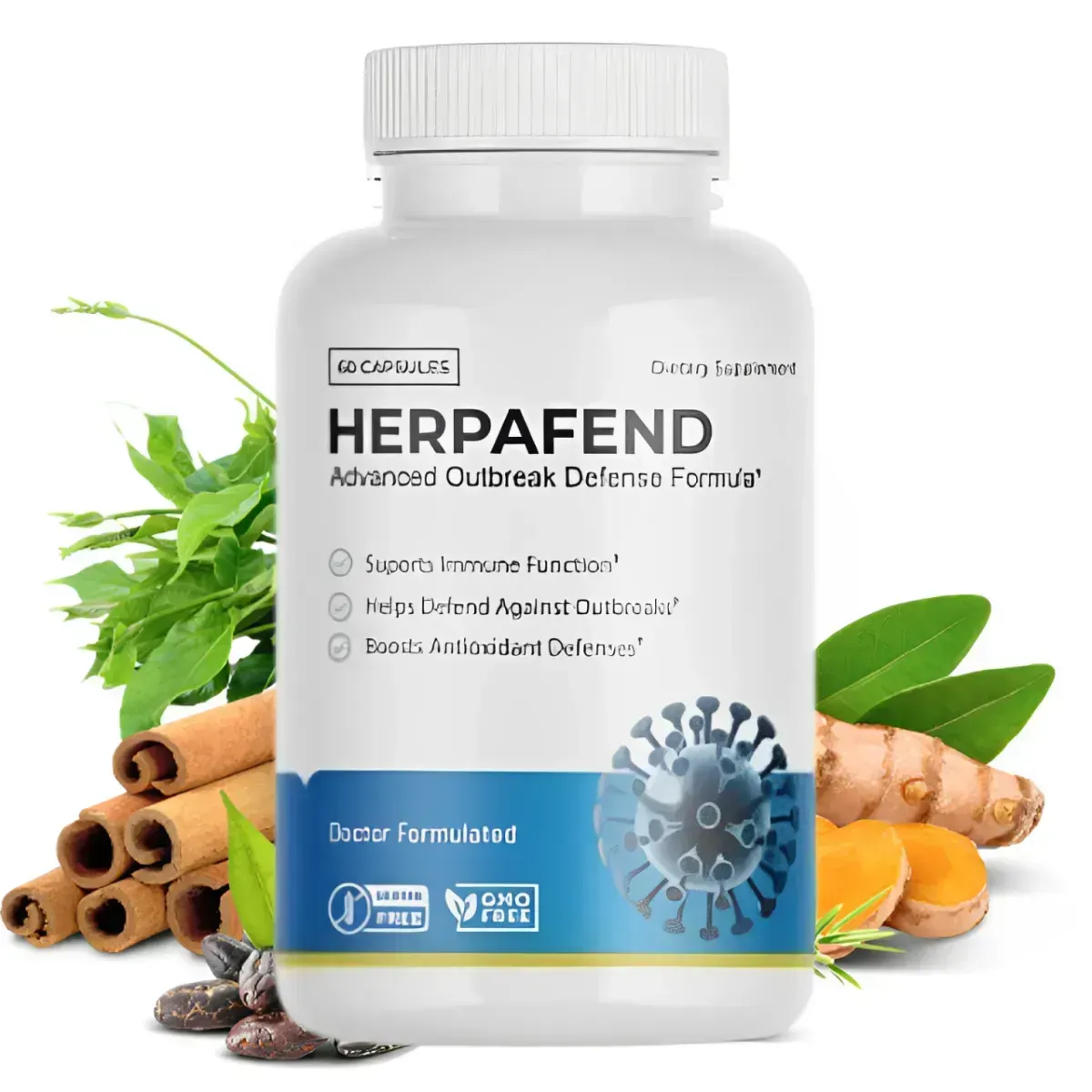
Herpafend is a daily dietary supplement for general immune support, taken as two capsules each night before bed. Nine ingredients make up the formula: the amino acid L-lysine, the minerals zinc and selenium, vitamin C, and five plant extracts (elderberry, echinacea purpurea, quercetin, curcumin and cat's claw). It is a supplement rather than a medicine, and it is not a substitute for anything a doctor has prescribed.
The shape of the formula tells you what it is built to do. There is one amino acid carrying the headline, three well-established immune nutrients supporting it, and five botanicals filling out the antioxidant and traditional-use side. That is a nutritional approach rather than a pharmacological one.
It is also, deliberately, an everyday product: two capsules at a fixed time each night, assessed over roughly three months, rather than something designed around moments.
Herpafend is a dietary supplement providing nutritional and botanical immune support. It is not an antiviral, not a prescription medicine, and not a replacement for treatment a clinician has recommended. If you are managing a diagnosed condition, stay under their care and raise any supplement with them before adding it. Nothing on this page is written to suggest otherwise.
L-lysine is an essential amino acid, meaning the body cannot make it and has to obtain it from food. It has the longest research history of anything in this formula and appears first on the label. Lysine supplementation has been studied since the 1970s, usually in the context of its relationship with another amino acid, arginine. The two compete for the same absorption pathways, which is why dietary balance between them comes up so often alongside lysine supplements.
That is what "essential" means in amino acid terminology. Not that it is important, though it is, but that there is no internal production route. Every molecule of lysine in your body arrived through food. Dairy, fish, poultry, eggs and legumes are the richest everyday sources.
The two amino acids are structurally similar enough to use the same transport systems for absorption in the gut and uptake into cells. More of one in the diet means relatively less uptake of the other. This is ordinary, well-described biochemistry, and it is the reason the two are discussed together.
Lysine has been the subject of clinical interest since the 1970s. Results across that literature have been mixed and the research is far from settled, which is worth saying plainly. What is not in dispute is that lysine is among the better-characterised single ingredients you will find in a supplement of this kind.
People taking a lysine supplement often pay attention to this balance in what they eat. It is a dietary observation rather than a rule, and no food here is off limits. This is about proportion, not prohibition.
| Higher in lysine | Higher in arginine |
|---|---|
| Dairy — milk, yoghurt, hard cheeses | Nuts — almonds, walnuts, peanuts, cashews |
| Fish, especially white fish | Seeds — pumpkin, sesame, sunflower |
| Chicken, turkey, lean red meat | Chocolate and cocoa |
| Eggs | Oats and wheat germ |
| Most beans and lentils | Gelatin and collagen |
| Brewer's yeast | Coconut |
General nutritional composition, not medical guidance. Anyone making substantial changes to their diet, particularly while managing a health condition or following a restricted eating pattern, should do it with a dietitian or doctor rather than from a table on a web page.
Each point below reflects what the relevant ingredient has been examined for in published work. None of it is a guarantee of result, and response to any supplement varies considerably between individuals.
Zinc, vitamin C and selenium are three of the most firmly established nutrients in normal immune function, and all three carry authorised nutrition claims on that basis in several regulatory systems.
L-lysine is essential and diet-dependent. A supplement is one way of ensuring intake is consistent rather than tracking whatever this week's meals happened to contain.
Quercetin, curcumin and elderberry carry the antioxidant side of the formula. Oxidative load is one of the better-supported background factors in how well the immune system copes.
Zinc and vitamin C both have defined roles in normal skin and connective tissue — vitamin C in collagen formation specifically, which is among the least contested claims in nutrition.
Echinacea and cat's claw have long histories in North American and Amazonian herbal practice respectively. Both are included on that traditional-use basis.
One nightly serving covering nine ingredients replaces a row of separate bottles. The practical argument for a combined formula is that it actually gets taken.
Grouped by the role each plays. Milligram amounts are not published on the vendor's page — the panel printed on the bottle is where to check them when your order arrives.
An essential amino acid obtained entirely from food, and the ingredient this formula is built around. Covered in detail in the section above — it is the component with the longest research record of anything here.
Involved in the development and function of a wide range of immune cells, and one of the few nutrients where deficiency produces clearly observable immune effects. Also has a defined role in normal skin maintenance.
Water-soluble, not stored, and needed daily. Its role in collagen formation is among the most settled facts in nutrition, and it contributes to normal immune function alongside that.
A trace mineral and a component of the selenoproteins involved in antioxidant defence. Required in small amounts, and worth knowing that the gap between adequate and excessive is narrower for selenium than for most nutrients.
One of the more heavily researched botanicals in the immune category, with a long European tradition behind it. Its dark pigment comes from anthocyanins, the same class of compound found in blackcurrants and blueberries.
Purple coneflower, native to North America and used in indigenous herbal practice long before European settlement. Its immune-stimulating activity is also the reason it appears in the cautions section below.
A flavonoid found in onions, apples and capers. Studied for antioxidant activity, and frequently paired with zinc in formulas of this type because of its proposed role in zinc transport.
The yellow pigment from turmeric root and the best-studied compound in that plant. Absorption is its known weakness, which is why many formulas pair it with black pepper extract.
A woody vine from the Amazon basin, named for the hooked thorns along its stems. Used traditionally in Peruvian herbal medicine, and included here on that basis alongside the other botanicals.
On the missing amounts: the vendor names the ingredients but does not publish quantities for them. That is a real limitation. A named ingredient at an undisclosed dose tells you what is in the capsule but not whether there is enough of it to matter, and nothing on this page should be read as confirming the doses match those used in the research described.
Two capsules nightly, taken before bed with water. The manufacturer specifies evening dosing rather than morning. Taking it at the same time each night is what makes the habit stick, and the brand suggests judging results over around 90 days of consistent use rather than over a few weeks.
Clear it with a doctor first if you have an autoimmune condition, take immunosuppressants, blood thinners or lithium, or are pregnant or nursing.
Two capsules with water before bed. Evening is what the manufacturer specifies, so that is what to follow.
Attach it to something you already do at night. A supplement tied to an existing routine is the one still being taken in month three.
Keep the ordinary foundations in place — sleep, food, and managing stress. The formula is built to sit alongside those rather than stand in for them.
Three packages are offered. Two bottles are $79 each, $158 total, plus shipping. Three bottles are $69 each, $207 total, with free US shipping and a free bonus book. Six bottles are $49 each, $294 total, with free US shipping and two free bonuses. Six bottles is the lowest price per bottle. Pricing was checked against the vendor in October 2026 and has changed before.
Starter package
Retail $99 a bottle
$79
per bottle
180-day supply
Retail $594
$49
per bottle
90-day supply
Retail $297
$69
per bottle
The brand asks for roughly 90 days before judging the result. That makes the three-bottle package the smallest one that covers the period it is asking you to wait, and it is also where free shipping begins.
Six bottles brings the per-bottle price down by a further twenty dollars, the largest step between any two tiers here, but commits you to six months up front. That is sensible only if the first stretch goes well, and the 60-day window is what lets you establish that before the commitment bites.
Two things worth flagging about the vendor's figures. The savings stated on the order page do not all reconcile: the three-bottle package shows "Save $120" where $297 minus $207 is $90, and the two-bottle package shows a $99 figure that is a per-bottle retail price rather than a package one. Only the six-bottle saving of $300 checks out exactly. Second, this product has been repriced before, so treat the live order form as authoritative over anything printed here.
Digital guides included with the larger packages, delivered after checkout. The three-bottle package unlocks one; the six-bottle package unlocks two. The starter package does not include them.
A downloadable book included from the three-bottle package upward. The vendor does not publish its title on the order page, so it is worth checking what arrives against what you expected.
The six-bottle package releases a second guide alongside the first. As with the other, the title is not stated before purchase.
Not a bonus as such, but worth counting into the comparison. The starter package adds shipping at checkout, which narrows the gap between it and the three-bottle tier more than the headline prices suggest.
We would normally list bonus titles here. The vendor's current order page does not name them, and we are not going to invent titles to fill the space.
Every package carries a 60-day, no-questions-asked money-back guarantee running from the date of purchase, and opened bottles are accepted alongside sealed ones. That second part is what gives the first part any use on a product meant to be taken for three months before being judged.
Claims go through the vendor's customer support using the order number on your confirmation email, and the refund returns to the payment method you used.
The guarantee is operated by the brand and its payment processor, not by this page. The terms that bind are the ones shown at checkout and repeated in your receipt.
An immune-supporting formula is not automatically a gentle one. Two of the botanicals here stimulate immune activity, which is useful for some people and counterproductive for others.
This is the one that matters most. Echinacea and cat's claw both have immune-stimulating activity. In an autoimmune condition the immune system is already overactive, and for anyone on immunosuppressive therapy, whether after a transplant, for rheumatoid arthritis or for inflammatory bowel disease, stimulating immune activity works directly against the treatment. Speak to the clinician managing that treatment before taking this.
Quercetin and curcumin both have antiplatelet activity. Anyone on warfarin, a direct oral anticoagulant or regular aspirin should raise it with their prescriber before adding either.
Echinacea may affect how lithium is cleared by the kidneys, and lithium has a narrow margin between a therapeutic and a toxic level. Anyone taking it needs medical advice first.
Lysine is cleared renally, and higher intakes place additional load on the kidneys. Anyone with reduced kidney function should check before taking a lysine supplement.
Any new symptom, or an existing one that is getting worse, is a reason to see a doctor rather than to adjust a supplement. Herpafend is a dietary supplement for general immune support; it is not an antiviral, not a prescription medicine, and not a substitute for care a clinician has recommended.
Nothing here acts quickly, and nothing here is meant to. Nutritional status and botanical intake both move slowly.
Realistically, little to notice. A nutrient reaching steady state in the body takes weeks, and anybody describing a dramatic first-week change is probably describing the effect of expecting one.
If anything registers, this is the usual window. Whatever people report tends to be general rather than specific. The 60-day guarantee also runs out around here, which is worth noting on the calendar.
The point the brand asks to be judged on. By this stage the useful question is whether the general pattern has shifted rather than how any particular week went.
Responses vary widely and a proportion of people notice no change at all. That outcome is what the refund window exists for.
No, and it should not be treated as though it does. Herpafend is a dietary supplement offering nutritional and botanical immune support. It is not an antiviral and not a prescription medicine. Anyone managing a diagnosed condition should remain under their clinician's care and raise any supplement with them before starting it.
The manufacturer specifies two capsules before bed. No reasoning is published for the evening timing, so the honest answer is that we are following the label rather than explaining it. Consistency at whatever time you choose matters more than the hour itself.
A way of describing the balance of two amino acids in a food. Both appear in most protein sources but in different proportions — dairy, fish and legumes lean toward lysine; nuts, seeds and chocolate lean toward arginine. The two share absorption pathways, which is why people taking lysine often watch the balance in what they eat.
You can, and for many people that is a perfectly reasonable approach. Dairy, fish, poultry, eggs and legumes are all good sources. A supplement offers consistency rather than something food cannot provide, which is a genuine practical benefit rather than a nutritional necessity.
They are not on the vendor's page, which is a real limitation and we would rather say so than gloss over it. Check the panel printed on the bottle when the order arrives; that is where the figures live.
Usually, with a caveat worth watching: several of these ingredients appear in other immune formulas, so stacking two products can quietly double your zinc or selenium intake. Selenium in particular has a narrower safe range than most nutrients. Add up what you are taking in total rather than per bottle.
There is nothing habit-forming in the formula. The practical considerations with extended use are cumulative mineral intake, particularly selenium and zinc, and whether the immune-stimulating botanicals remain appropriate for you. Both are worth a periodic conversation with a doctor rather than being assumed indefinitely.
No, and this is more than the usual warning. The manufacturer has publicly confirmed that counterfeit Herpafend has been sold through Amazon and eBay. Beyond falling outside the guarantee, a counterfeit supplement carries a genuine question about what is actually in the capsule.
No. Each package is a single one-time purchase. There is no subscription and nothing rebills.
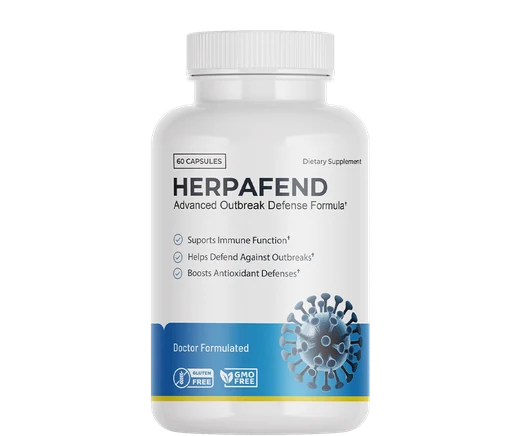
Six bottles at $49 each is the lowest per-bottle price with free US delivery and both bonuses. Three bottles is the smallest package covering the 90-day course the brand asks for, and the point where shipping becomes free. Every tier carries the same 60-day, no-questions-asked guarantee.
Open the Official Order Page →That button passes you to the manufacturer's checkout. Completed orders earn this page a referral commission from the seller; nothing is added to your total.